
Positive Education is rooted in Positive Psychology and aims to enhance overall wellness. There are five elements of well-being (PERMA):
- Positive Emotions
- Engagement
- Relationships
- Meaning
- Accomplishment
Growth Mindset
Starting from the 2024/25 school year, Kit Sam Lam Bing Yim Secondary School has introduced the "Growth Mindset" component of Positive Education as a foundation for self-regulated learning. The core belief of a Growth Mindset is that anyone can develop and strengthen their basic qualities—including intelligence, aptitude, interests, and character—through effort, strategy, and the help of others.
Through teaching and learning designs that incorporate growth mindset principles, we help students build a growth-oriented mindset. This encourages them to:
- Be brave in trying new things and embracing challenges.
- View mistakes and failures as positive and valuable experiences.
- Identify areas for improvement from these experiences.
- Persistently drive their own progress, leading to a positive impact on their learning behavior.
(Growth Mindset, Bei Shan Tang Foundation, 2024)
Positive Impact of Growth Mindset on Learning Behavior
| Category | Growth Mindset Perspective |
| Skills | Result from hard work; can always be improved. |
| Challenges | Should be embraced; lead to greater persistence. |
| Effort | Essential; the path to mastery and proficiency. |
| Feedback | Useful – identifies areas for improvement; something to learn from. |
| Setbacks | A reminder to work harder next time. |
Thinking Routines
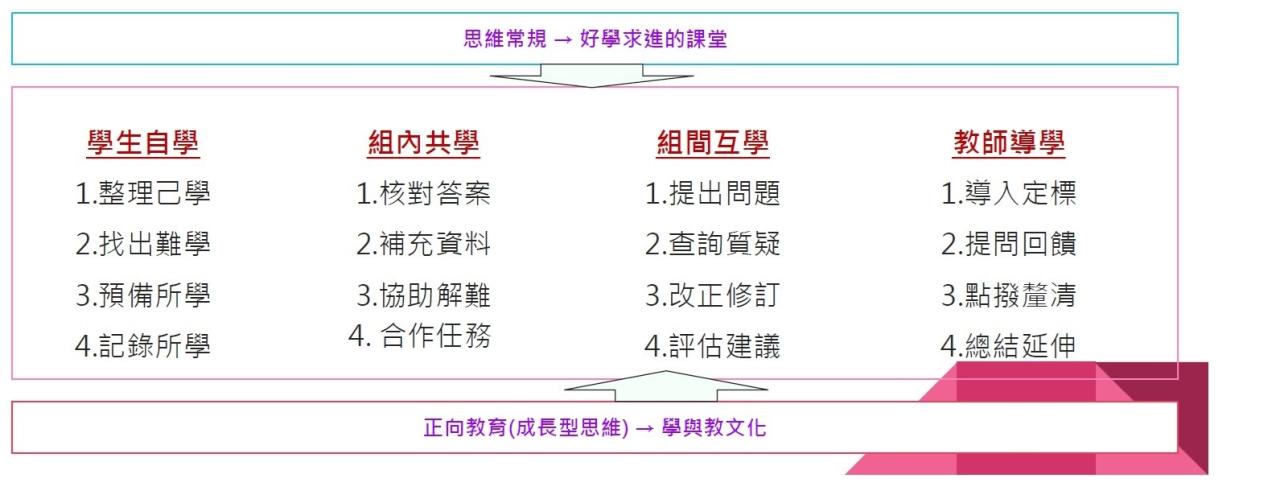
Furthermore, building upon the foundation of Growth Mindset and Positive Education, our school has introduced "Thinking Routines." These routines are designed to externalize and understand students' thinking processes, making their intellectual growth "visible." This encourages students to be inquisitive, enhances their learning confidence and motivation, and fosters a classroom culture dedicated to proactive learning and continuous improvement.